
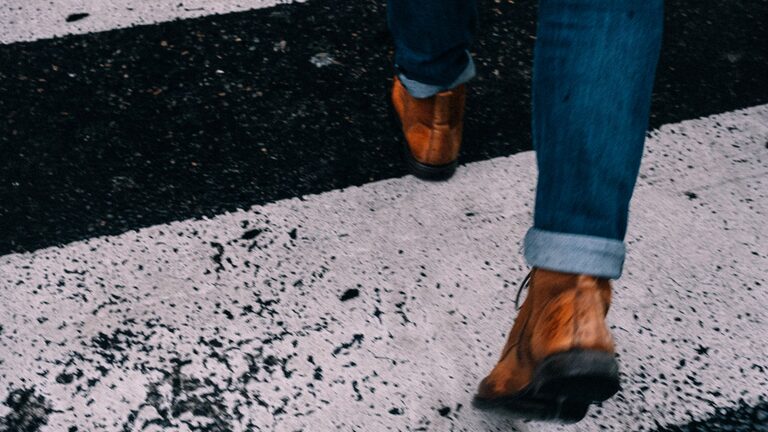
Travel often means spending more time on your feet than usual. You may walk through airports, explore city streets, visit museums, climb stairs, or take an unplanned scenic route. The right shoes can make these experiences more enjoyable, while the wrong pair can leave you distracted by discomfort.
Choosing comfortable walking and travel shoes is not only about appearance. Fit, cushioning, support, breathability, weight, and versatility all matter. With a little preparation, you can find a pair that works well for both everyday walks and trips away from home.
Start With the Right Fit
A comfortable shoe should feel good when you first put it on. Do not rely on the idea that shoes need a long “break-in” period. While some materials may soften slightly, shoes that pinch, rub, or feel unstable at the start may remain uncomfortable.
Keep these fit points in mind:
– Your toes should be able to move freely.
– Your heel should stay in place without slipping.
– The widest part of your foot should sit comfortably in the widest part of the shoe.
– The upper should not press tightly across your toes or the top of your foot.
– Your foot should not slide forward when walking downhill or stopping.
– There should be a small amount of space between your longest toe and the end of the shoe.
Feet can swell during long days, warm weather, or extended travel. Try shoes later in the day, when your feet may be closer to their usual walking size. Wear the type of socks you expect to use with the shoes, and try both shoes before making a decision.
Consider Your Foot Shape
Shoe brands often use different shapes and sizing systems. One brand’s regular width may feel narrower or wider than another’s. Instead of focusing only on the number on the box, pay attention to how the shoe fits your actual foot.
If one foot is slightly larger than the other, fit the larger foot first. You can adjust the fit of the smaller foot with suitable socks or an insole, but a shoe that is too short or narrow will be difficult to make comfortable.
Look for Walking-Friendly Features
Travel shoes do not need to be designed specifically for athletes. However, features that help with ordinary walking can make a noticeable difference during a busy day.
Cushioning
Cushioning helps reduce the feeling of hard pavement underfoot. It can be especially useful when you expect to walk on sidewalks, station floors, or other firm surfaces for several hours.
The best amount of cushioning depends on personal preference. Some people like a soft, padded feel, while others prefer a firmer and more direct connection with the ground. Walk around in the shoes and notice whether they feel comfortable without making you feel unstable.
Support
A supportive shoe should feel steady without being stiff or restrictive. Look for a sole that bends naturally near the front of the foot but does not fold in the middle. A secure heel area can also help keep your foot positioned correctly as you walk.
Support is not the same as maximum rigidity. A heavy, stiff shoe may feel tiring after a full day, especially when you are carrying luggage or navigating stairs.
Traction
A sole with a reliable tread can help you feel more secure on wet sidewalks, smooth floors, and uneven paths. You do not necessarily need a hiking-style sole for city travel, but a completely smooth outsole may be less practical in changing conditions.
Check the bottom of the shoe for a pattern that provides grip without adding unnecessary weight.
Breathability
Breathable materials allow air to move around your feet and can make shoes more comfortable in warm weather. Mesh and lightweight textile uppers are common choices for casual walking shoes. Leather and similar materials may offer structure and durability, though they can feel warmer depending on the design.
If you are traveling to a rainy destination, look for a balance between breathability and weather resistance. Highly waterproof shoes may be useful in wet conditions but can feel warmer and less flexible.
Choose the Right Shoe Style
There is no single best travel shoe for everyone. The best choice depends on your destination, activities, clothing, and personal comfort preferences.
Walking Sneakers
Walking sneakers are often a practical choice for city trips. They usually offer cushioning, flexible soles, and a secure fit. Neutral colors can make them easy to wear with different outfits.
Look for a pair that is light enough for travel but sturdy enough for long walks. Avoid choosing a very soft, loose shoe simply because it feels comfortable for a few minutes in a store.
Lightweight Casual Shoes
Casual shoes with flexible soles can work well for shorter walks, dinners, and everyday sightseeing. They may look more polished than athletic sneakers and can help reduce the number of pairs you need to pack.
Before choosing this style, make sure it has enough structure for your planned activities. A thin, flat sole may be fine for occasional use but less comfortable for long walking days.
Slip-On Shoes
Slip-on shoes are convenient for airports, hotel rooms, and quick outings. They can be a useful second pair, especially when you want something easy to remove.
For full-day walking, choose slip-ons with a secure fit. If the shoe has no laces, straps, or other adjustment, it should still hold your heel comfortably without requiring you to grip the shoe with your toes.
Trail-Inspired Shoes
If your trip includes parks, light trails, or uneven paths, a trail-inspired walking shoe may provide extra traction and protection. These shoes can be more durable, but they may also be heavier or less flexible than ordinary walking sneakers.
Choose this style when your activities call for it rather than using it automatically for a city vacation.
Test Shoes Before Your Trip
New shoes should be tested gradually before travel. Wear them around your home, on short errands, and during walks of increasing length. This helps you notice pressure points before you are far from home.
Pay attention to:
– Rubbing at the heel or ankle
– Pressure across the toes
– Hot spots on the sole of the foot
– Heel movement
– Slipping on smooth surfaces
– Excessive weight
– Discomfort when going up or down stairs
Try different socks if needed, but do not use thick socks to solve a shoe that is fundamentally too small. A well-fitting shoe should remain comfortable with normal walking socks.
Pack With Practicality in Mind
When packing for travel, choose shoes that match your itinerary. If one pair can handle most activities, it may be the best choice. A second pair can be useful for changing weather, special occasions, or relaxing after a long day.
To save space:
– Wear your heaviest shoes while traveling.
– Pack lighter shoes inside a bag or shower cap to protect clothing.
– Fill empty shoe space with socks or small accessories.
– Choose colors that coordinate with several outfits.
– Bring a spare pair of comfortable socks in your day bag.
A small amount of planning can prevent the need to buy unfamiliar shoes during your trip.
Care for Your Walking Shoes
Keeping shoes clean and dry can help them remain comfortable and usable for longer. Follow the care instructions for the materials. Remove loose dirt after walks, and allow damp shoes to air-dry fully before wearing them again.
Avoid placing shoes near strong direct heat, which can damage some materials or affect the shape. If the insoles are removable, airing them separately may help keep the shoes fresher between uses.
Final Checklist
Before choosing travel walking shoes, ask yourself:
- Do they fit comfortably on both feet?
- Can your toes move freely?
- Does your heel stay secure?
- Is the sole suitable for your destination?
- Are they light enough for long days?
- Can you wear them with your usual travel socks?
- Have you tested them on several walks?
- Do they work with more than one type of outfit?
Comfortable shoes are an essential part of a pleasant walking and travel experience. Focus on a secure fit, useful cushioning, dependable traction, and a style that suits your plans. Most importantly, test your shoes before your trip so your attention stays on the places you came to enjoy.